 Image 1 of 7
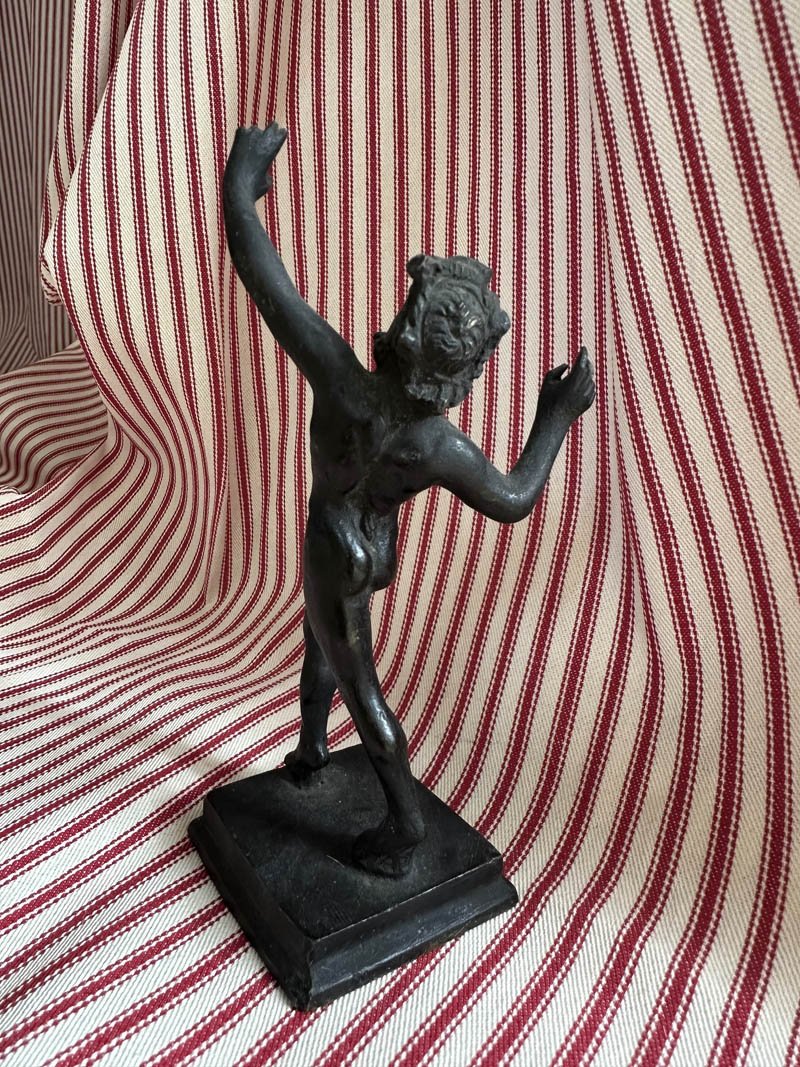 Image 2 of 7
 Image 3 of 7
 Image 4 of 7
 Image 5 of 7
 Image 6 of 7
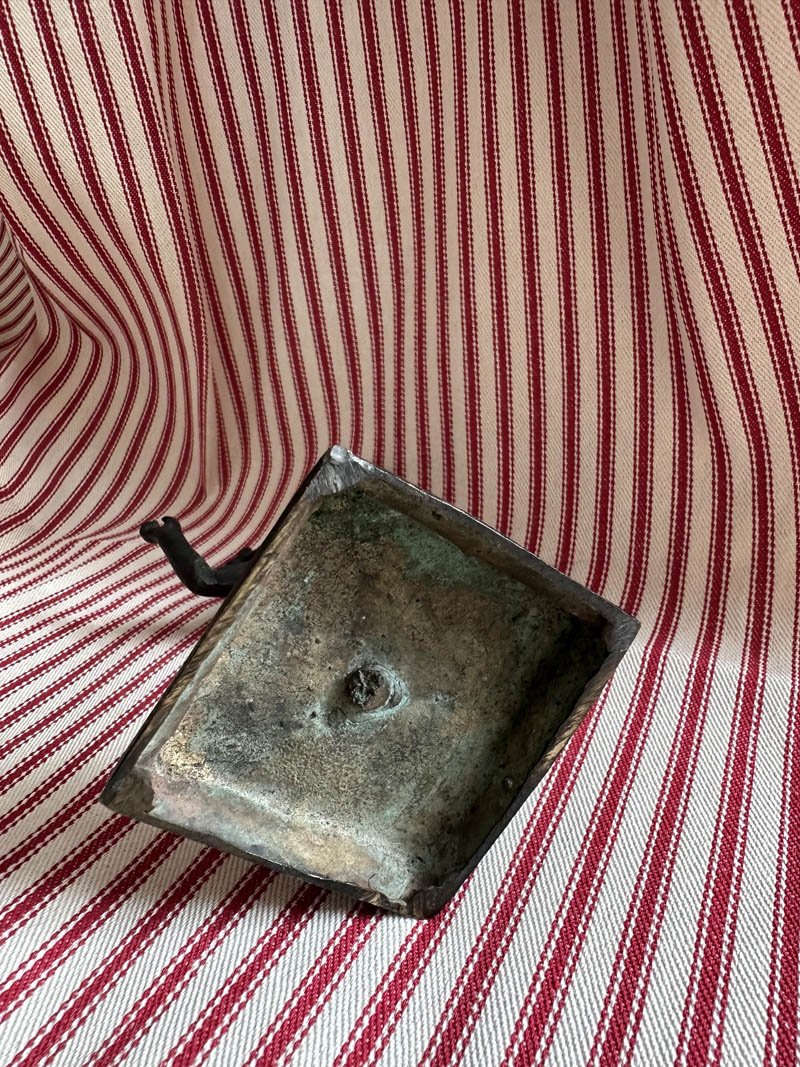 Image 7 of 7
WHAT MAKES IT SPECIAL
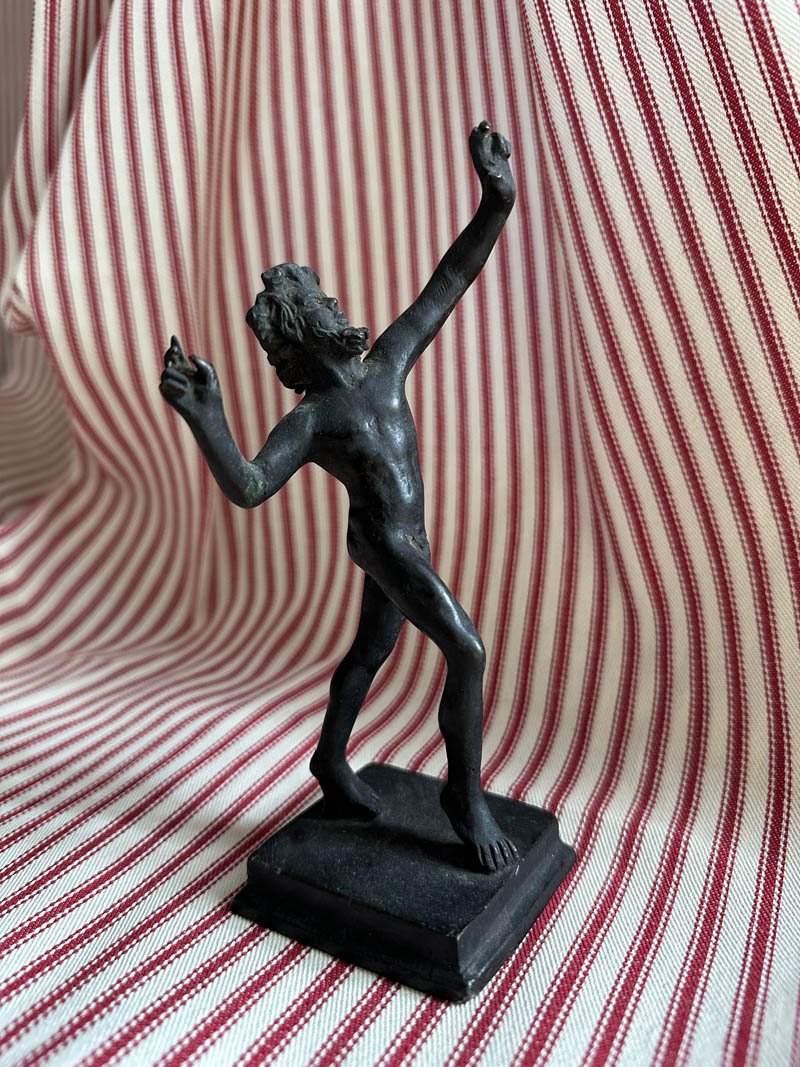
“The faun balances on his toes and pivots, his horned head raised, his wild hair wreathed with acorns. He is smiling lasciviously, flipping his tail, and snapping his fingers. This exuberant dance belongs to the world of Dionysos, evoking a rural, untamed life. The original statuette has been called the finest bronze ever found at Pompeii.”
HISTORY
The first version of this dancing faun was discovered in October 1830, installed in the middle of an impluvium, the pool in the atrium, of a Pompeiian house that filled an entire city block. The house was named the House of the Faun (Pompeii VI.12.2) after the statuette (2), which, much like the great Alexander Mosaic from the same house, immediately became famous.
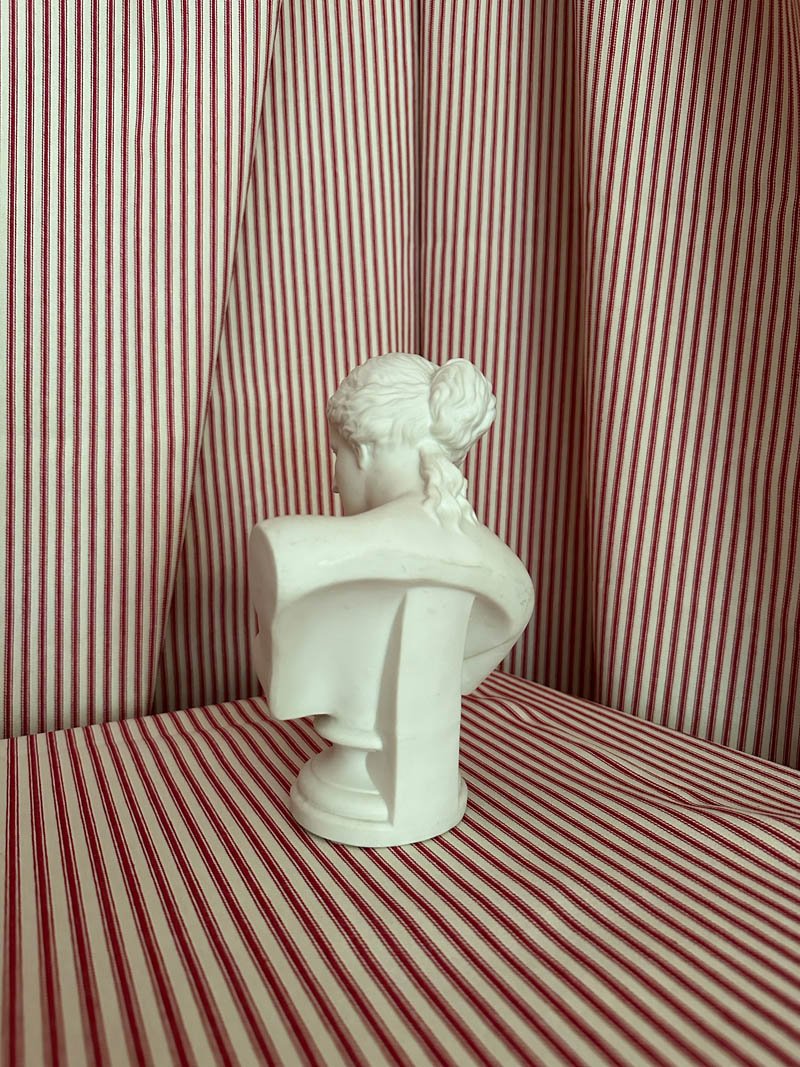
In 1860, under Victor Emmanuel II, the antiquities from Pompeii were put on view for the general public in the National Archaeological Museum at Naples. Permits for taking molds from antiquities in order to copy them were soon granted to various individuals and institutions. The reproductions that these enterprises offered were often reduced in scale, making them easy for Grand Tourists to take home to northern Europe, Britain, or America. This statuette is surely a souvenir of the Grand Tour.
*description from Published Catalogue Text: Ancient Mediterranean and Near Eastern Bronzes at the Harvard Art Museums here.
WHAT WAS THE GRAND TOUR?
-
An extended journey across the major cities of primarily France and Italy, the Grand Tour was a popular 18th-century ‘rite of passage’ taken mostly by young, aristocratic English men. Experiencing the art, architecture, and antiquity of the region was the culmination of a classical education that afforded status and independence. Travelers brought back mementos, art, and relics as a material legacy of their journey to adorn their estates and tell the tales of their trip.
Read a wonderful summary of the Grand Tour by The Royal Museums Greenwich.
-
In good condition with fine detail and patina commensurate with age. Likely late 19th to early 20th century. There is a hairline fracture in the bronze at the left ankle, likely a flaw from the original lost-wax casting. Appears to be structurally sound with no evidence of break or repairs. Possibly composed of leaded brass, similar to the Harvard Art Museum specimen.
Kindly note:
Our inventory consists of primarily art, antique, vintage, one-of-a-kind, and bespoke items. The condition of our curated selection is carefully considered and we value the history of our objects; pieces will show signs of age-appropriate wear and character.
If you have any specific questions, please contact us for more information and images prior to purchasing, we are happy to assist.
Any references to date and region in our descriptions are our informed opinion, but do not represent statements of fact. The absence of a condition statement does not imply an item is in perfect condition or free from wear and tear, imperfections, or the effects of aging. Condition requests can be obtained by contacting us. Any condition statement given, as a courtesy to a client, is only an opinion and should not be treated as a statement of fact.
-
Kindly allow 2-3 business days to process your order.
Art/artefact is delighted to offer our clients complimentary shipping via UPS Ground and USPS on smaller items within the contiguous United States only. Should you reside outside of this area, please contact us to arrange a shipping quote.
If you require overnight shipping, please select UPS Next Day .
Shipping for larger items, indicated by the Enquire to Purchase button, can be arranged by emailing us at contact@artartefact.com. We are happy to provide you with our list of white glove moving companies or work with your preferred mover.
For local clients, we are happy to offer pick up in our showroom by appointment Monday to Friday 10-5 by prior arrangement. Please allow a 24 hour notice to prepare your order for pickup.
Gifts: We are delighted to offer gift wrapping and a personalized note. Please indicate your purchase is a gift and include your brief note at checkout.
-
Kindly note, all sales are final.
If you are not completely satisfied with your purchase, returns are accepted with receipt on eligible items for store credit within 14 days of delivery. The following items are not eligible for return: Art, Soft Goods, Antiques, Vintage, and Sale items.
We value the history of objects and celebrate the visual evidence of patina that comes with pieces of age and provenance. All merchandise is sold in “as is” condition.
We are not able to accept returns, cancellations or exchanges on special order or custom items.
Please refer to our Return Policy for additional details.